Things to Do in Honolulu, HI
Key Takeaways
- Proximity to beaches, outdoor recreation, dining, and daily conveniences directly impact rental rates, vacancy, and tenant retention.
- Beachside, hillside, and urban properties attract strong demand but require landlords to understand zoning, noise, conservation, and short-term rental laws.
- Dining hubs, cultural distractions, and community-focused areas appeal to specific renter profiles, influencing pricing, marketing, and property features.
- Honolulu’s strict and evolving rental laws make professional property management a key advantage for long-term success.
Honolulu is one of the most competitive rental markets in Hawaii, shaped by tourism demand, local lifestyle, and strict regulations. Many landlords underestimate how closely rental performance is tied to the experiences available just outside the front door.
Renters choose homes based on lifestyle, not just square footage. Proximity to beaches, cultural sites, dining, and outdoor activities directly affects tenant demand, rental rates, and long term value.
Hawaii Coastal PM put together this article to help landlords understand what makes Honolulu attractive to residents and visitors, and how those attractions influence smart rental decisions.
Why Honolulu Lifestyle Drives Rental Demand
Honolulu sits at the center of Oahu’s economy, culture, and recreation. It attracts military families, healthcare workers, hospitality professionals, remote workers, and long term residents who want urban convenience with outdoor access. Properties near lifestyle hubs tend to lease faster and experience lower vacancy.
Landlords who understand what tenants value in Honolulu are better positioned to price correctly, market effectively, and retain quality renters. Below are the key activities and attractions that shape housing demand across the city.
Beaches That Define Daily Life
Waikiki Beach, Ala Moana Beach Park, and Kaimana Beach are part of everyday life for residents. Morning swims, evening walks, and weekend gatherings are routine for locals.
Rental properties near beaches command higher rents, but also face stricter noise rules and parking challenges. Honolulu has clear ordinances related to short term rentals, especially in resort zones. Landlords must understand zoning laws and building rules before marketing beach-adjacent units.
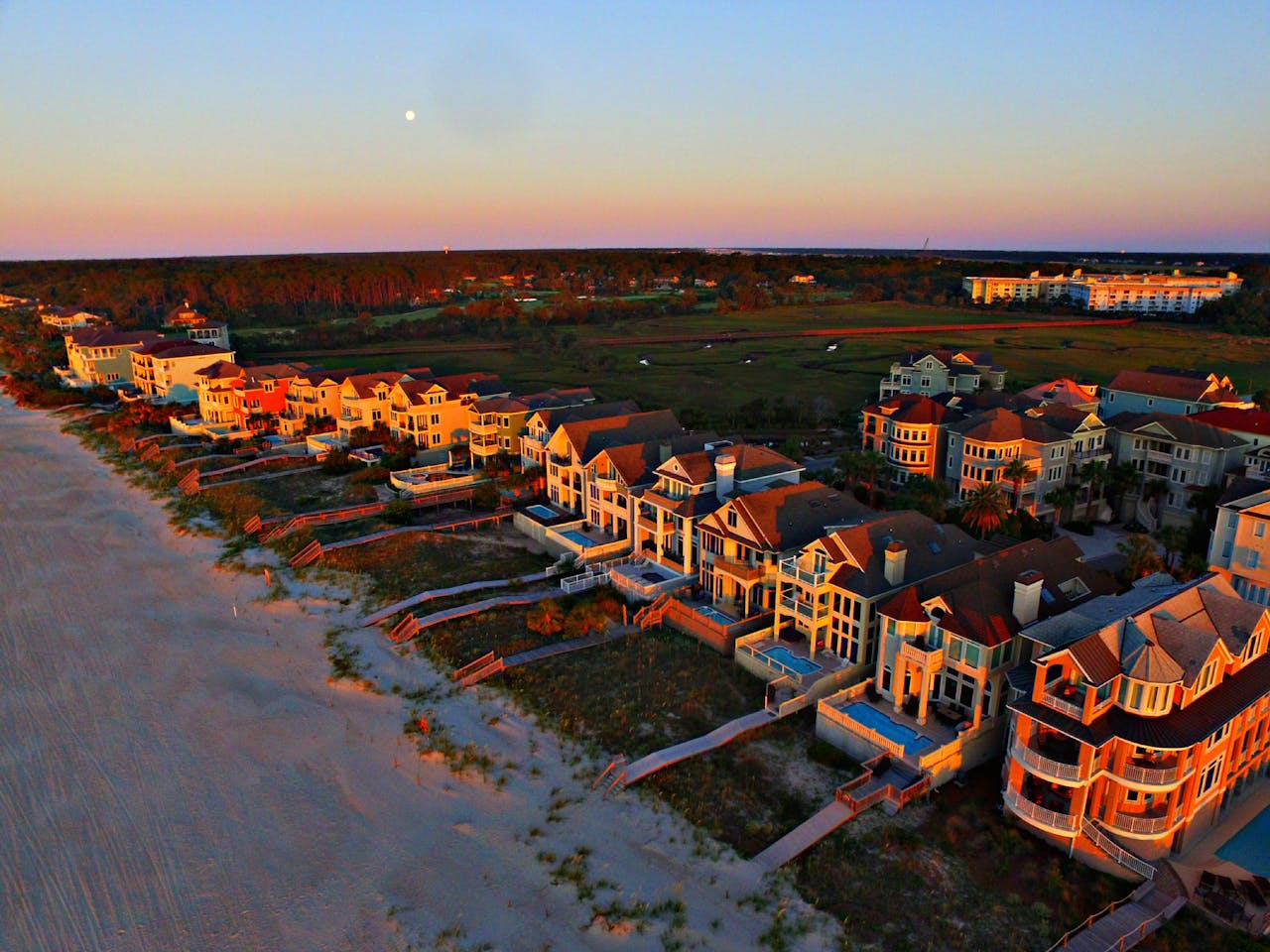
For long term tenants, walkability to the ocean is a major selling point. Properties do not need ocean views to benefit. Being within a short drive or bike ride is often enough to boost demand.
Outdoor Recreation Beyond the Shore
Diamond Head State Monument , Manoa Falls, and Makiki Valley trails attract residents who prioritize fitness and nature. These areas appeal to tenants who plan to stay longer and treat the island as home.
Properties near hiking access often attract professionals and families who value healthy routines. However, these areas may fall under conservation or hillside regulations. Landlords should be aware of land use rules, drainage requirements, and maintenance responsibilities that come with certain neighborhoods.
Dining and Nightlife Hubs
Honolulu’s food scene is a major draw for renters. Neighborhoods like Kakaako, Chinatown, and Kapahulu offer local dining, markets, and entertainment without relying on resort traffic.
Units near dining corridors tend to attract younger professionals and dual income households. These tenants often expect modern finishes, secure parking, and clear house rules. Noise ordinances are enforced in residential zones, so landlords must balance location benefits with tenant screening and lease enforcement.
Shopping and Daily Convenience
Ala Moana Center is one of the largest open air shopping centers in the country and a major employer. Nearby grocery stores, schools, medical centers, and public transit routes also influence rental demand.
Properties close to everyday services reduce turnover and increase lease renewals. Landlords should highlight access to transit lines and essential services in marketing materials, while remaining accurate and compliant with fair housing standards.

Cultural and Historic Attractions
Honolulu is rich in history, from Iolani Palace to the Bishop Museum and Pearl Harbor area. These locations attract educators, government workers, and residents with long term ties to the island.
Rental properties near cultural centers often see steady demand year round. These tenants typically value quiet neighborhoods and well maintained properties. Compliance with local preservation rules may apply in certain historic districts, especially regarding exterior modifications.
Events and Community Life
Honolulu hosts year round festivals, parades, and community events such as the Honolulu Festival, Lei Day , and local farmers markets. These events contribute to a strong sense of place and community pride.
Neighborhoods with active community calendars often attract long term tenants who value stability. Landlords benefit from lower turnover but must remain aware of street closures, parking restrictions, and city permits that affect access during major events.
The Legal Side Landlords Cannot Ignore
Honolulu has some of the strictest rental regulations in Hawaii. Short term rental laws are heavily enforced, with significant fines for noncompliance. Long term rentals must follow state and city landlord tenant laws, including habitability standards, security deposit limits, and notice requirements.
Many landlords underestimate how quickly regulations change and how costly mistakes can be. Proper lease drafting, tenant screening, and property maintenance are not optional. They are legal necessities.
Why Experience Matters in Property Management
Honolulu’s rental market is shaped by tourism pressure, limited housing supply, and evolving regulations. Landlords who try to self manage often struggle with compliance, tenant communication, and maintenance coordination.
A professional property management company brings local knowledge, systems, and legal awareness. They understand which neighborhoods attract which tenants and how to position properties accordingly. They also handle rent collection, inspections, and issue resolution in line with Hawaii law.
Bottomline
Honolulu offers beaches, outdoor recreation, dining, culture, and community that drive strong rental demand across the city. Landlords who understand these lifestyle factors can make better decisions about pricing, marketing, and tenant selection. Location, convenience, and compliance all play a role in long term success.
Hawaii Coastal PM helps landlords navigate Honolulu’s complex rental landscape. From understanding local demand to staying compliant with city and state laws, we support owners at every stage. Reach out to Hawaii Coastal PM and take the smart next step for your rental property.