How to Choose a Property Management Company in Hawaii
Key Takeaways
- Local laws, GET/TAT taxes, climate-related maintenance, and rental regulations require true Hawaii-specific expertise, not mainland experience.
- Proper licensing, insurance, clear fee structures, and written agreement are non-negotiable.
- Neighborhood-level insight, rental type expertise, and realistic pricing strategies protect income and reduce vacancies.
- Strong reporting, technology, inspections, and proactive communication are essential for long-distance peace of mind.

Selecting the right property management company in Hawaii is a crucial step for property owners, ensuring peace of mind and optimal returns.
Owning property in Hawaii is a dream investment for many—the stunning scenery, strong tourism market, and growing rental demand make it an attractive opportunity. But managing that property from thousands of miles away? That's where the dream can quickly become a nightmare without the right help.
Choosing a property management company in Hawaii isn't just about handing over your keys and hoping for the best. The islands present unique challenges that mainland managers simply don't face: Hawaii-specific landlord-tenant laws, General Excise Tax requirements, tropical climate maintenance, and a rental market that varies dramatically between long-term residential and vacation rentals. Making the wrong choice can cost you thousands in lost revenue, legal headaches, and property damage.
This comprehensive guide walks you through exactly what to look for when selecting a Hawaii property management company. Whether you're a mainland owner considering your first Hawaiian investment or a current owner frustrated with your current manager, we'll cover the essential criteria, red flags to avoid, and questions that separate the professionals from the pretenders.
Understanding Your Needs: Before You Start Looking
Before you start researching property management companies, take time to clarify exactly what you need. Not all property management services are created equal, and Hawaii's diverse rental market means different owners have vastly different requirements.
What type of rental are you managing? Long-term residential rentals, corporate housing, and vacation rentals require completely different approaches. Long-term rentals need thorough tenant screening and lease enforcement expertise, while vacation rentals demand dynamic pricing strategies and 24/7 guest communication. Many property owners make the mistake of hiring a company that excels in one area but falls short in another.
Are you a hands-on or hands-off owner? Some owners want detailed monthly reports and approval on every maintenance decision over $100. Others prefer complete autonomy from their property manager, only checking in quarterly. Be honest about your involvement level—this affects which companies will be the best fit for your management style.
What's your property's condition and upgrade needs? If you've just purchased a fixer-upper in Kailua, you need a property manager with strong contractor relationships and renovation experience. If you own a pristine Waikiki condo, maintenance coordination becomes less critical than marketing and tenant relations.
How important is local market expertise? Different neighborhoods across Oahu have dramatically different rental dynamics. Hawaii Kai attracts families seeking quality schools, while Waikiki caters to tourists and corporate travelers. Kailua and Lanikai command premium vacation rental rates, while Aiea and Pearl City see strong long-term rental demand. Your property manager should know your specific market intimately.
Finally, consider your financial goals. Are you maximizing cash flow, building long-term equity, or maintaining a vacation home you'll eventually occupy? These different objectives require different management strategies. Clarifying these points up front helps you ask the right questions when interviewing potential property management companies.
Essential Criteria for Selecting a Hawaii Property Management Company

Carefully evaluating essential criteria, from licensing to local market expertise, is key when choosing a property management company in Hawaii.
When evaluating Hawaii property management companies, certain criteria are non-negotiable. These factors separate professional operations from amateur hour—and can mean the difference between a profitable investment and a costly mistake.
Valid Hawaii Real Estate License and Insurance
This is your first checkpoint. In Hawaii, property managers must hold an active real estate license to legally manage properties on behalf of owners. You can verify any license through the Hawaii Real Estate Commission's website. Don't skip this step—unlicensed property management is illegal and leaves you exposed to liability.
Beyond licensing, your property manager should carry comprehensive general liability insurance and errors and omissions (E&O) coverage. This protects both you and them if something goes wrong. Request certificates of insurance and verify they're current.
Deep Knowledge of Hawaii Landlord-Tenant Laws
Hawaii's landlord-tenant laws differ significantly from mainland regulations, and violations can be costly. A qualified property manager should demonstrate expertise in:
- Hawaii's security deposit limits and return requirements (typically one month's rent for unfurnished units).
- Required lease disclosures specific to Hawaii.
- Proper eviction procedures under Hawaii law.
- Fair Housing compliance, including Hawaii-specific protected classes.
- Notice requirements for property access and rent increases.
We've written extensively about Hawaii landlord-tenant law and the Hawaii eviction process on our site—topics your potential property manager should know cold.
Understanding of Hawaii's Unique Tax Requirements
Here's where many mainland property owners get surprised: Hawaii's General Excise Tax (GET) applies to rental income, and it's the property manager's responsibility to handle this correctly. Unlike a sales tax, GET is assessed on the gross rental income, currently at 4% for Oahu (4.5% for outer islands).
Your property manager should also understand the Transient Accommodations Tax (TAT) if you're offering short-term rentals under 180 days. These tax requirements are complex and change periodically. We cover this in detail in our guide to Hawaii GET on rental income.
Proven Local Market Expertise
A property management company can have all the right licenses and still fail if they don't understand your specific market. Ask about:
- Typical rental rates and vacancy periods in your neighborhood.
- Seasonal trends (especially relevant for vacation rentals).
- Tenant demographics and demand patterns.
- Competing properties and market differentiators.
- Neighborhood-specific challenges (parking issues, noise ordinances, etc.).
Companies that manage properties across multiple islands should demonstrate specific expertise in your location. Managing a property in Waikiki is completely different from managing one in Haleiwa or Ewa Beach.
Comprehensive Property Management Services
Property management encompasses far more than just collecting rent. Evaluate whether the company offers:
- Thorough tenant screening — Background checks, credit reports, employment verification, and rental history.
- Professional marketing — High-quality photos, strategic pricing, multi-platform advertising.
- 24/7 emergency maintenance coordination — Because plumbing doesn't just fail during business hours.
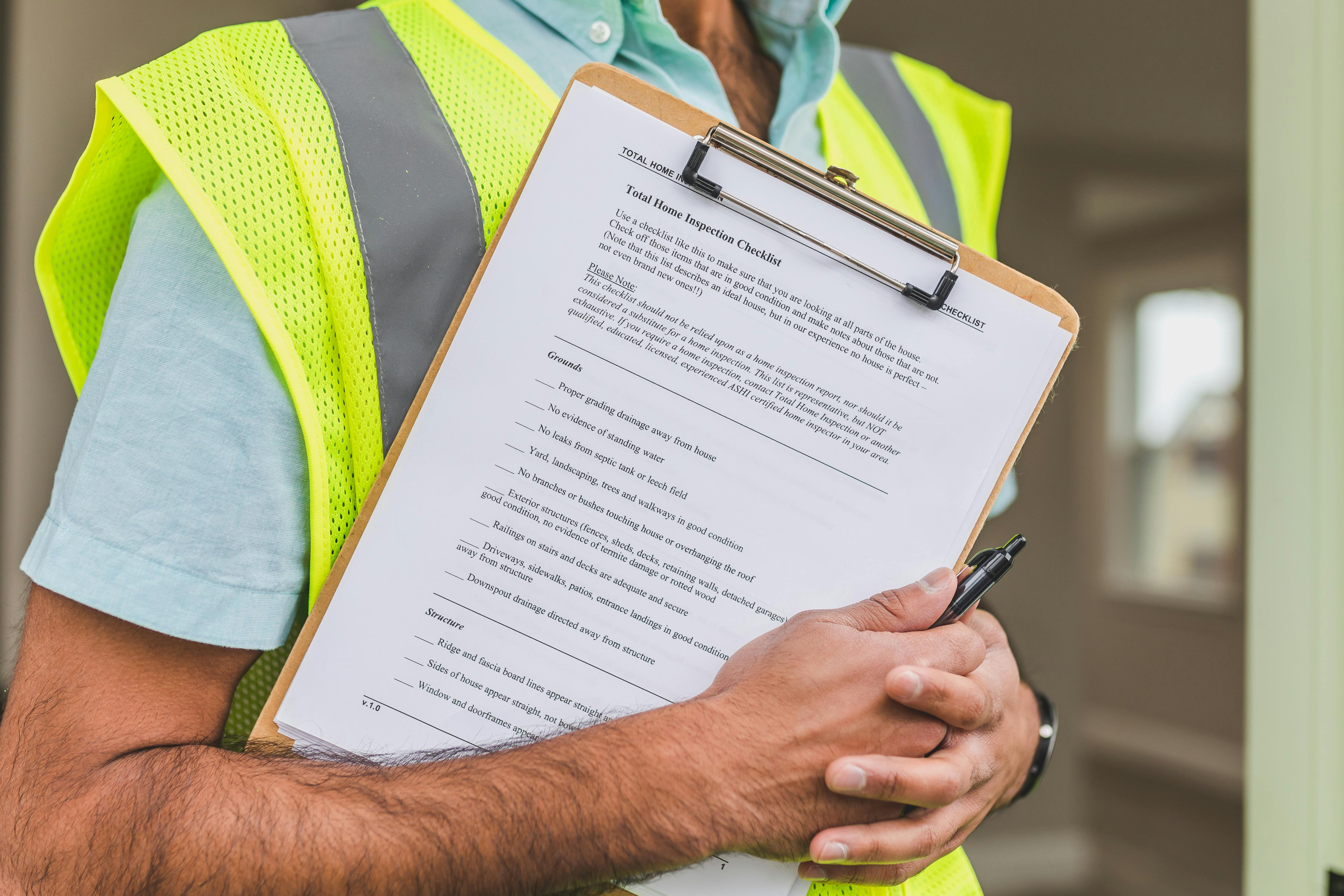
- Regular property inspections — Quarterly or semi-annual checks prevent small issues from becoming expensive problems.
- Detailed financial reporting — Monthly statements, year-end tax prep support, expense tracking.
- Move-in and move-out coordination — Complete walkthroughs with photographic documentation.
At Hawaii Coastal Property Management, we've built our services around these essential elements because we've seen firsthand what happens when any piece falls through the cracks.
Technology and Communication Systems
Modern property management requires modern tools. Your property manager should offer:
- Owner portal access for real-time financial tracking.
- Online rent payment options for tenants.
- Digital maintenance request systems.
- Regular communication about your property's status (not just when something goes wrong).
Technology shouldn't replace personal service, but it should enhance efficiency and transparency.
Strong Vendor and Contractor Networks
Property maintenance issues in Hawaii present unique challenges. The tropical climate accelerates wear and tear, humidity promotes mold growth, and salt air corrodes metal fixtures.
Your property manager needs established relationships with reliable contractors who:
- Respond quickly to emergency situations.
- Provide fair pricing (island costs are higher than mainland).
- Deliver quality work that lasts in Hawaii's climate.
- Are properly licensed and insured.
Ask potential property managers about their vendor vetting process and how they handle maintenance costs. Do they get multiple bids for larger projects? Do they have preferred vendors who offer discounted rates?
Questions to Ask Potential Property Management Companies in Hawaii
When you're ready to interview property management companies, come prepared with specific questions. The answers—and how companies respond—reveal a lot about their professionalism and fit for your needs.
About Their Experience and Expertise
How long have you been managing properties in Hawaii? Experience matters, especially with Hawaii's unique regulatory environment. Follow up by asking about their experience with your specific property type and neighborhood.
How many properties do you currently manage? This helps gauge their capacity and whether your property will get adequate attention. A company managing 500+ units may offer stability but less personalized service. A company managing 20 properties might be more attentive but lack resources.
What percentage of your portfolio matches my property type? If you own a vacation rental but they specialize in long-term residential properties, that's a potential mismatch.
Can you provide references from current clients with properties similar to mine? Speaking with actual clients reveals insights you won't get in interviews. Ask references about responsiveness, transparency, and how the company handles problems.
About Fees and Financial Management
What are your property management fees in Hawaii? This is often the first question owners ask—but shouldn't be your only consideration. Typical fees in Hawaii range from 8-12% of monthly rental income for long-term rentals, and 20-35% for vacation rentals (which require significantly more work).
Are there additional fees I should know about? Many companies charge separate fees for tenant placement, lease renewals, property inspections, or maintenance coordination. Get a complete breakdown. We believe in transparent pricing, which is why we detail our property management fees up front.
How do you handle maintenance and repair costs? Understand their markup on repairs (if any), approval thresholds for expenses, and how they handle emergency situations. Some companies require approval for anything over $500; others handle emergencies up to $1,000 without checking first.
When do I receive owner distributions and financial reports? Most professional companies distribute owner funds by the 15th of each month for the previous month's rent collected. Monthly statements should detail all income and expenses clearly.
About Tenant Management and Screening
What's your tenant screening process? This is critical. A thorough screening should include credit checks, criminal background checks, eviction history, employment verification, and previous landlord references. Ask about their approval criteria and standards.

What's your average tenant retention rate? High turnover costs you money in vacancy periods and turnover expenses. Good property managers maintain relationships that keep quality tenants in place.
How do you handle late rent and lease violations? Understand their enforcement process, timeline for late fees, and when they initiate eviction proceedings.
What's your average vacancy rate? Low vacancy rates indicate strong marketing and competitive pricing. Follow up by asking about their average time to fill a vacancy.
About Property Maintenance and Inspections
How often do you inspect properties? Regular inspections (at minimum quarterly for occupied properties) catch problems early and ensure tenants are maintaining the property properly.
How do you handle emergency maintenance? Understand their 24/7 availability, response time commitments, and emergency coordination process. In Hawaii's tropical climate, water leaks and storm damage require immediate attention.
Do you have experience with Hawaii-specific maintenance challenges? Ask specifically about tropical maintenance issues: termite inspections, hurricane preparation, mold prevention, air conditioning maintenance, and dealing with salt air corrosion.
About Legal Compliance and Insurance
How do you stay current on Hawaii's rental regulations? Laws change, and professional property managers invest in ongoing education. Ask about their membership in professional associations like the National Association of Residential Property Managers (NARPM) or local Hawaii real estate organizations.
Do you require landlord insurance, and what coverage do you recommend? Professional property managers should guide you toward adequate coverage, including loss of rent insurance and proper liability limits.
Have you ever been sued by a tenant or owner? If so, what happened? This question can be uncomfortable, but the answer and their transparency matter. No company is perfect; how they handle conflicts reveals their character.
About Communication and Reporting
Who will be my main point of contact? Will you work with one dedicated property manager, or will your inquiries be routed through a general inbox?
How quickly do you typically respond to owner questions? Set expectations up front. Same-day responses are reasonable; 24-hour turnaround is acceptable; longer than that raises concerns.
What property management technology do you use? Ask about owner portals, maintenance tracking systems, and reporting tools. Request a demo if possible.
Red Flags to Watch Out For

Understanding and identifying red flags unique to Hawaii's property market helps property owners avoid costly mistakes with their property manager.
Just as important as knowing what to look for is recognizing warning signs that should give you pause. These red flags often appear during initial conversations—pay attention to them.
Lack of Proper Licensing or Verifiable Credentials
If a property management company hesitates when you ask for their license number or you can't verify their credentials through the Hawaii Real Estate Commission, walk away immediately. This is non-negotiable. Operating without a license is illegal, and hiring an unlicensed manager exposes you to significant liability.
Similarly, if they can't provide proof of insurance or their coverage seems inadequate, that's a deal-breaker. Professional property managers invest in proper insurance because they understand the risks involved.
Vague or Hidden Fee Structures
Transparency around fees is crucial. If a company won't provide clear, written documentation of all fees up front, that's a major red flag. Watch out for:
- Vague answers about "additional charges that may apply".
- Refusing to provide fee schedules in writing.
- Unusually high markups on maintenance and repairs.
- Unexpected charges that appear after you've signed the management agreement.
The lowest management fee isn't always the best deal. A company charging 8% but adding numerous hidden fees might cost more than a company charging 10% all-inclusive. Focus on total cost and value delivered.
Poor Communication During the Courtship Phase
If a property management company is slow to respond or difficult to reach before they have your business, this behavior will only worsen after you sign. Pay attention to:
- Unreturned calls or emails.
- Rushed conversations where they seem eager to move past your questions.
- Inability to provide specific information about their processes.
- Lack of interest in understanding your specific needs and goals.
The "getting to know you" phase is when companies are supposed to be on their best behavior. If they're already dropping the ball, imagine what happens when problems arise.
Unwillingness to Provide References or Portfolio Examples
Legitimate property management companies are proud of their work and happy to connect you with satisfied clients. If a company hesitates to provide references, can't share examples of properties they manage, or makes excuses about privacy concerns, that's suspicious.
While client privacy matters, professional companies have standing authorization from certain clients to serve as references. The absence of any references suggests either very limited experience or very unhappy clients.
Unrealistic Promises About Rental Income or Occupancy
Be wary of companies that promise guaranteed rental rates significantly higher than comparable properties in your area, or who claim they can keep your property at 100% occupancy year-round. Hawaii's rental market has seasonal fluctuations and realistic vacancy expectations.
Professional property managers provide honest market analyses based on data, comparable properties, and actual market conditions. They educate you about realistic expectations rather than telling you what you want to hear to win your business.
No Written Management Agreement
Every professional property management relationship should be governed by a clear, written management agreement that spells out all terms, fees, services, and responsibilities. If a company suggests operating on a handshake agreement or provides a vague one-page contract, that's a serious red flag.

Review the management agreement carefully before signing. It should clearly outline:
- All fees and costs.
- Services provided (and not provided).
- Contract term and cancellation procedures.
- Insurance requirements.
- Maintenance authorization limits.
- Dispute resolution procedures.
Limited Understanding of Hawaii-Specific Requirements
This is where mainland property management companies often fall short when expanding to Hawaii. If your prospective property manager can't speak knowledgeably about:
- GET and TAT tax requirements and filing.
- Hawaii's security deposit laws.
- Hawaii-specific maintenance challenges (hurricane prep, tropical climate issues).
- Unique aspects of Hawaii Fair Housing Act requirements.
- Local housing ordinances in your specific neighborhood.
...then they're learning on your dime. Hawaii isn't just another market with a better climate; it has distinct regulatory, environmental, and cultural considerations that require genuine local expertise.
Resistance to Regular Property Inspections
Property inspections protect both you and your tenants. A property management company that suggests inspections aren't necessary or pushes back when you request regular walkthroughs either doesn't understand their value or wants to avoid accountability.
Regular inspections catch maintenance problems early, ensure tenants are fulfilling lease obligations, and provide documentation of property condition. This is standard practice among professional property managers.
What Makes Hawaii Property Management Unique
Managing property in Hawaii isn't like managing property anywhere else. The islands present specific challenges and opportunities that require specialized knowledge and experience. If you're a mainland owner, understanding these unique factors is critical to choosing the right property management company.
General Excise Tax Complexity
We mentioned GET earlier, but it bears emphasizing. Hawaii's General Excise Tax system is unique in the United States. Unlike sales tax, GET is a tax on gross income for businesses—and rental property income qualifies. Your property manager must:
- Obtain a GET license.
- File monthly, quarterly, or semi-annual returns (depending on gross income).
- Calculate and remit GET on all rental income.
- Maintain accurate records for GET compliance.
- Understand whether GET is passed through to tenants or absorbed by the owner.
Additionally, if you're offering vacation rentals under 180 days, Transient Accommodations Tax (TAT) applies—currently 10.25% in most counties. Combined with GET, this significantly impacts short-term rental economics. Professional Hawaii property managers factor these taxes into pricing strategies and handle all filing requirements.
Tropical Climate Maintenance Challenges
Hawaii's beautiful tropical environment creates unique maintenance demands that mainland property managers simply don't encounter:
Humidity and mold concerns — Constant humidity promotes mold and mildew growth, particularly in bathrooms, closets, and air conditioning systems. Effective property management includes preventive measures like ensuring proper ventilation, regular AC maintenance, and educating tenants about humidity management.
Salt air corrosion — Properties near the ocean (particularly on windward coasts) face accelerated corrosion of metal fixtures, outdoor equipment, and building materials. Regular maintenance and protective treatments are essential.
Termite and pest control — Subterranean termites are a constant threat in Hawaii. Annual termite inspections are standard, and many lenders require them. Professional property managers schedule these inspections and coordinate treatments when necessary.
Tropical landscaping demands — Hawaii's year-round growing season means landscaping requires constant attention. Overgrown vegetation can quickly damage structures and harbor pests.
Hurricane preparedness — While major hurricanes are infrequent, they do occur. Professional property managers have established protocols for pre-storm preparation and post-storm assessment.
Long-Distance Ownership Considerations
Most Hawaii property owners live on the mainland, creating unique management challenges. Time zone differences mean a 3 PM emergency call from your tenant reaches you at 9 PM Eastern time. You can't drive over to check on a maintenance issue or meet contractors in person.
This makes choosing the right property manager absolutely critical. You need someone who serves as your eyes, ears, and decision-maker on the ground. Look for companies that:
- Provide detailed photographic documentation of property conditions.
- Offer video call options for virtual walkthroughs.
- Maintain strong contractor relationships so you're not hiring sight-unseen.
- Communicate proactively about issues before they become emergencies.
- Understand the emotional challenges of long-distance property ownership.
At Hawaii Coastal Property Management, we specialize in serving mainland owners who need a local team they can trust completely. We understand the anxiety of managing an investment from thousands of miles away, and we've built our property management services specifically to address those concerns.
Diverse Rental Market Dynamics
Hawaii's rental market is incredibly diverse, and each segment requires different expertise:
Long-term residential rentals — Strong demand driven by local residents, military families, and corporate transfers. These properties require thorough tenant screening, lease enforcement, and relationship management. Check out our approach to long-term rental management for more details.
Corporate rentals — Executives, military personnel, and professionals on temporary assignments need furnished, professionally managed properties for 30-180 day stays. This niche requires higher-end properties, flexible terms, and premium service. We've developed specialized corporate rental programs to serve this market.
Vacation rentals — Hawaii's tourism economy creates massive demand for short-term rentals, but regulatory restrictions have tightened considerably. Managing vacation rentals requires dynamic pricing, guest communication, frequent turnover coordination, and complex tax compliance. Learn more about our vacation rental management approach.
Your property manager should demonstrate expertise in your specific rental segment—and understand how to optimize your property for that market.
Regulatory Environment and Permit Requirements
Hawaii has among the strictest rental regulations in the nation, particularly for vacation rentals. County ordinances vary significantly:
- Honolulu County has severely restricted new short-term rental permits.
- Many residential neighborhoods prohibit vacation rentals entirely.
- Minimum stay requirements vary by zone.
- Enforcement has increased dramatically in recent years.
A knowledgeable property manager should help you understand what's legally permissible with your specific property, advise on permit requirements, and ensure full compliance with all applicable regulations. Operating an illegal vacation rental can result in massive fines and legal complications.
Cultural Considerations and Aloha Spirit
Hawaii has a unique cultural environment that influences business relationships and tenant interactions. Respect for local culture, understanding of island living values, and genuine aloha spirit matter here.
Property managers who treat Hawaii as just another market often struggle to build the relationships necessary for success. Look for companies that demonstrate:
- Genuine respect for Hawaii's cultural heritage.
- Understanding of local business customs.
- Commitment to Hawaii's communities beyond just profit.
- Long-term presence and investment in the islands.
The Onboarding Process and What to Expect
Once you've selected your property management company, understanding the onboarding process helps set appropriate expectations and ensures a smooth transition.
Initial Property Assessment
Professional property managers begin with a comprehensive property assessment. They'll walk through your property, documenting its condition with photos and notes. This assessment serves multiple purposes:
- Establishes baseline condition for future reference.
- Identifies maintenance issues that should be addressed before marketing.
- Determines appropriate rental pricing based on property condition and amenities.
- Creates the foundation for tenant move-in documentation.
Be prepared for honest feedback. If your property needs improvements to command optimal rent or attract quality tenants, a good property manager will tell you directly.

Documentation and Paperwork
Expect to provide and sign considerable documentation:
- Management agreement detailing all terms and conditions.
- Property information forms.
- Authorization for emergency repairs.
- W-9 for tax reporting purposes.
- Access information (keys, codes, tenant contacts if already occupied).
- Utility account information.
- HOA information if applicable.
- Insurance documentation.
- Mortgage information (if applicable).
Professional companies have streamlined onboarding processes that make this relatively painless, often using digital document signing.
Setting Up Financial Systems
Your property manager will establish financial systems for your property:
- Setting up owner accounts in their management software.
- Creating owner portal access.
- Establishing rent collection methods.
- Setting up distribution schedules for owner payments.
- Clarifying authorization limits for repairs and expenses.
Most companies provide owners with portal access where you can view financial statements, maintenance requests, lease documents, and property photos 24/7.
Marketing and Tenant Placement
If your property is vacant, the marketing process begins immediately:
- Professional photography of your property.
- Property listing creation highlighting key features and amenities.
- Multi-platform marketing (MLS, rental websites, social media).
- Showing coordination with prospective tenants.
- Application processing and tenant screening.
- Lease preparation and signing.
Most professional property managers in Hawaii can fill a well-priced, well-maintained property within 30 days, often faster in high-demand areas. Longer vacancy periods may indicate pricing issues or property condition concerns that need addressing.
Transition for Currently Occupied Properties
If your property already has tenants, the transition requires careful coordination:
- Review of existing lease terms.
- Introduction to current tenants.
- Establishment of new payment procedures.
- Transfer of security deposit documentation.
- Assumption of ongoing maintenance relationships.
Good property managers make this transition smooth for tenants, introducing themselves professionally and ensuring continuity of service. Tenant relationships established by previous owners or managers should be maintained and strengthened, not disrupted.
Conclusion: Making Your Final Decision

With careful consideration, finding the ideal Oahu property manager ensures successful and stress-free property ownership.
Choosing a property management company in Hawaii is one of the most important decisions you'll make as a property owner. The right partnership protects your investment, maximizes your returns, ensures legal compliance, and provides peace of mind—especially crucial when managing property from thousands of miles away.
Remember the key factors we've covered: verify proper licensing and insurance, ensure deep knowledge of Hawaii-specific regulations and challenges, evaluate their technology and communication systems, understand their fee structures completely, and trust your instincts about their professionalism and transparency.
Don't rush this decision. Take time to interview multiple companies, speak with their references, and compare not just costs but overall value. The cheapest option often proves most expensive in the long run if it leads to extended vacancies, tenant problems, legal issues, or deferred maintenance.
Consider the unique aspects of Hawaii property management—from GET tax requirements to tropical maintenance challenges to the cultural context of doing business in the islands. A property manager who truly understands Hawaii makes all the difference.
At Hawaii Coastal Property Management, we've built our reputation on exactly the principles outlined in this guide. We specialize in serving mainland owners with properties across Oahu, from Waikiki condos to Kailua homes, from Hawaii Kai estates to North Shore properties. We understand the challenges of long-distance ownership because we work with owners just like you every day.
Ready to take the next step? We'd love to learn about your property and discuss how we can help you maximize its potential while minimizing your stress. Contact us today for a free rental analysis—no obligation, just honest insights about your property's rental potential and what professional management can deliver. Visit our contact page or call us directly to start the conversation.
The right property management company doesn't just manage your property—they become your partner in success, your advocate in challenges, and your trusted team on the ground in Hawaii. Choose wisely, and your Hawaiian investment will reward you for years to come.
Frequently Asked Questions
How to choose a good property management company?
Focus on verified licensing, transparent fee structures, demonstrated local market expertise, comprehensive services, and strong communication. Interview multiple companies, check references, and trust companies that educate you about realistic expectations rather than making unrealistic promises.
How much do property managers charge in Hawaii?
Typical property management fees in Hawaii range from 8-12% of monthly rent for long-term rentals. Vacation rental management fees typically run 20-35% due to the significantly higher workload of guest turnover, dynamic pricing, and marketing. Always get a complete breakdown of all fees including tenant placement, lease renewals, and maintenance coordination charges.
What are the 5 P's of property management?
While this framework varies, it generally refers to: People (tenant relationships), Property (maintenance and condition), Processes (systems and procedures), Profit (financial management), and Planning (strategic decision-making). Quality property managers excel in all five areas, creating efficient operations that benefit both owners and tenants.
How much do property managers make in Oahu?
Property manager salaries in Oahu typically range from $45,000-$75,000 annually depending on experience and portfolio size. However, this shouldn't directly impact your decision—focus instead on the value delivered and overall cost structure. A company's compensation structure affects their ability to attract quality staff, which ultimately impacts your service level.