How to Maintain Your Rental Property
Key Takeaways
- Hawaii’s climate speeds up wear and tear: Salt air, humidity, heavy rain, and pests can corrode metal, cause mold, and damage roofs, so regular, proactive maintenance is essential to avoid costly repairs.
- Landlords and tenants share maintenance responsibilities: A landlord must keep the property habitable at all times and conduct prompt repairs. Tenants are responsible for keeping the unit clean, following lease and community rules, and reporting issues before they become bigger emergencies.
- Clear communication prevents disputes: A lease that spells out how and when maintenance requests are made, emergency contacts, and reporting duties helps both parties stay on the same page, protects the property’s value, and builds trust.
- Professional management support is key: A property manager can help you stay on top of preventative maintenance, field tenant requests, and keep you legally compliant while protecting your property value and cash flow.
Owning rental property in Hawaii offers unique advantages and equally unique responsibilities. From coastal homes on Oʻahu to small multifamily buildings on The Big Island, landlords face high expectations, strict habitability standards, and environmental conditions that can accelerate wear.
In this market, maintenance should be a core operational priority, not a reactive task. When landlords and tenants understand their roles and communicate clearly, properties perform better, disputes are mitigated, and long-term value is protected.
No one understands this better than our team at Hawaii Coastal Property Management . We put together this article to help seasoned and first-time Hawaii property owners alike understand the responsibilities they and their tenants must meet for effective care of their real estate investment.
Want to speak to a member of our expert team?
Why Maintenance Matters More in Hawaii
Hawaii’s rental environment is uniquely demanding. Salt air accelerates corrosion, humidity raises mold risk, heavy rain stresses roofs and drainage, and pests are a common concern. Combined with rigorous rental laws and high repair costs, even small lapses can become expensive quickly.
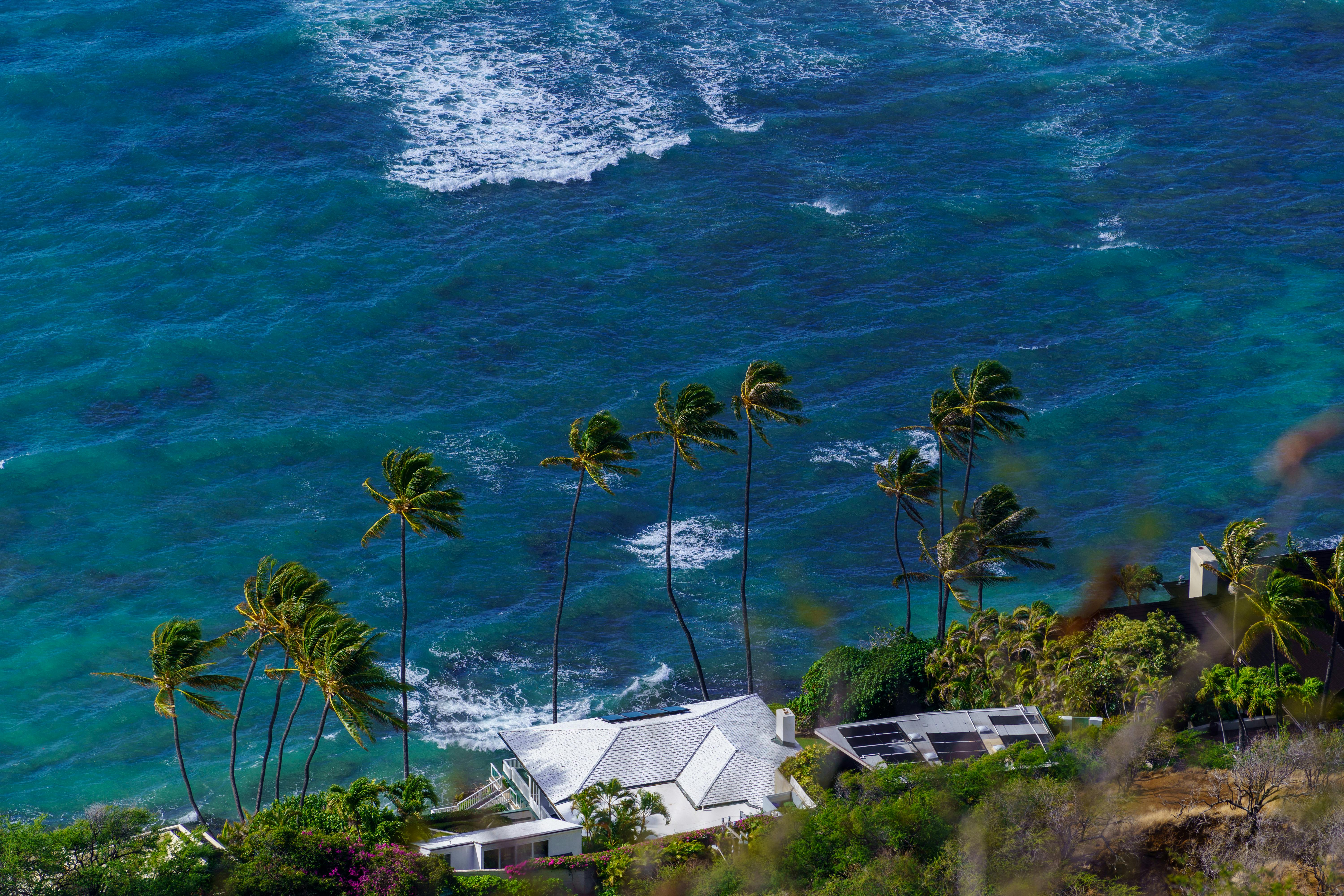
Tenants expect homes to function safely year-round, not just appear well at move-in. Proactive maintenance helps landlords stay compliant, limit emergency repairs, protect structures from environmental damage, retain quality tenants, and safeguard their reputation in close-knit island communities.
Landlord Maintenance Responsibilities in Hawaii
Under Hawaii rental law , landlords are required to provide and maintain rental housing that is fit for human habitation. This obligation applies throughout the tenancy, not just at the start of a lease.
1. Sanitation and Trash Management
Landlords must provide adequate trash and recycling infrastructure that matches occupancy levels and local collection schedules. In Hawaii’s warm climate, insufficient waste management can quickly lead to pests, odors, and health concerns.
While tenants are responsible for proper disposal, landlords must ensure containers, access, and service capacity support sanitary living conditions and comply with municipal requirements.
2. Continuous Access to Running Water and Hot Water
Uninterrupted hot and cold running water is a basic habitability requirement.
Many Hawaii properties rely on aging plumbing or solar water heating systems, making proactive monitoring essential. Water pressure issues, heater failures, leaks, or drainage problems must be addressed promptly, as extended interruptions may qualify as habitability violations under state law.
3. Structural Integrity and Code Compliance
Landlords are responsible for maintaining the structural soundness of the property and complying with state and local building codes. This includes roofs, flooring, stairways, windows, and railings, as well as required safety systems such as smoke alarms, carbon monoxide detectors where applicable, and secure locks.
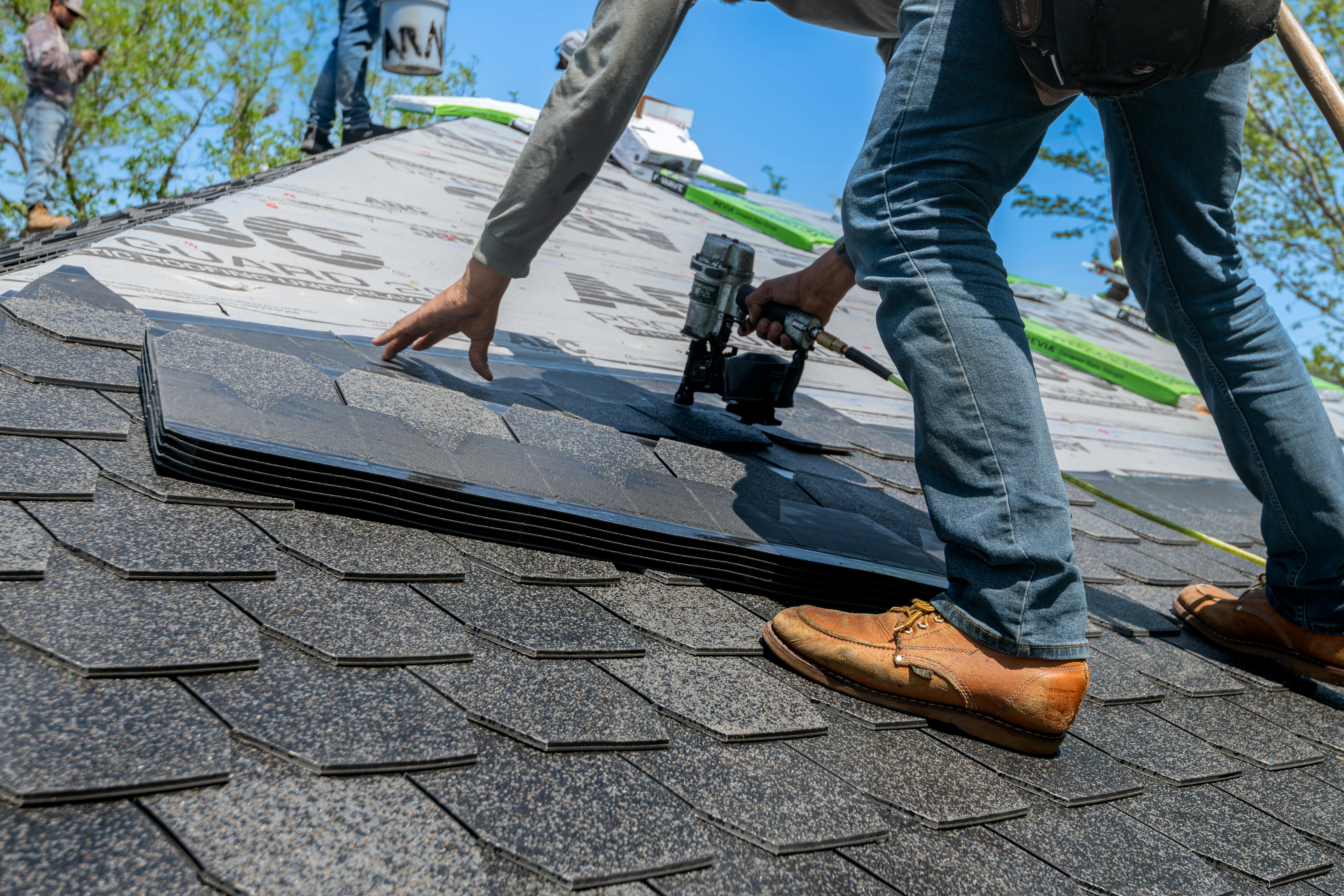
Occupancy limits must also be enforced to prevent safety risks and liability exposure.
4. Maintenance of Common Areas
In multi-unit properties, landlords are fully responsible for common areas, including hallways, stairwells, parking areas, laundry rooms, and outdoor spaces. These areas must remain clean, properly lit, and free of hazards. Hawaii’s outdoor exposure increases risks such as corrosion, algae growth, and weather-related wear, making routine inspections especially important.
5. Timely and Reasonable Repairs
Once a tenant reports a maintenance issue, landlords must respond within a reasonable timeframe based on severity. Issues involving water, electricity, mold, or security require immediate action, as delays can escalate into legal disputes or rent withholding claims.
Maintaining relationships with licensed local vendors is critical, particularly on islands where service availability may be limited.
6. Functional Core Systems
Plumbing, electrical, gas, and ventilation systems must remain safe and operational throughout the tenancy. Whether utilities are included in rent or paid by tenants, landlords remain responsible for ensuring systems function properly and meet safety standards. Looking after these systems goes a long way for protecting your property value .
Want to put some faces to the Hawaii Coastal Property Management name?
Tenant Maintenance Responsibilities in Hawaii
While landlords carry primary responsibility for habitability, tenants are legally obligated to maintain the unit in a reasonable manner and avoid conduct that causes damage or unsafe conditions.
1. Maintaining Cleanliness and Sanitation
Tenants must keep the rental unit clean and sanitary. This includes proper disposal of trash, regular cleaning of surfaces and appliances, and avoiding conditions that attract pests.
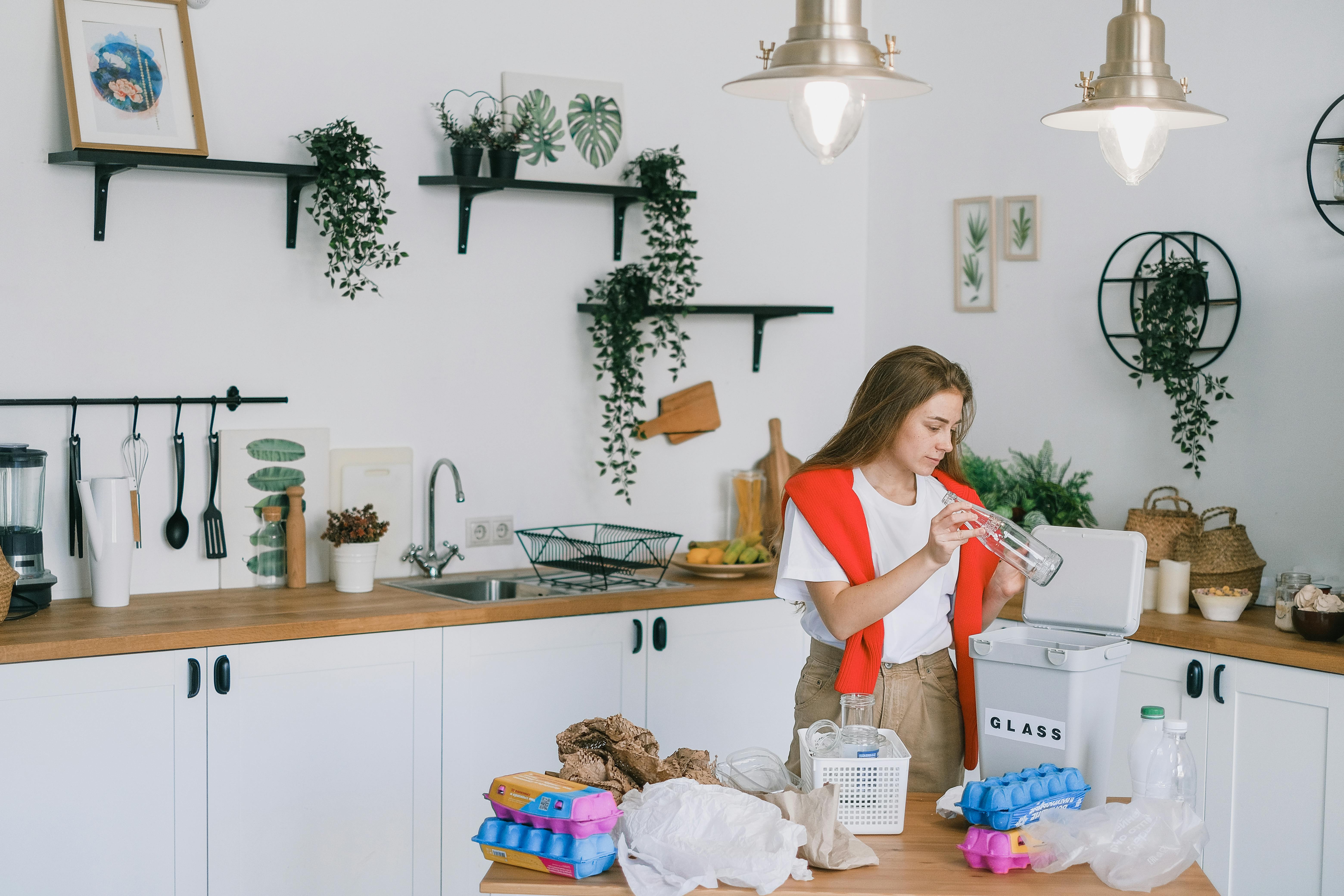
Failure to maintain basic cleanliness can lead to infestations or damage that tenants may be financially responsible for.
2. Preserving Safety Features
Tenants must not block emergency exits, disable smoke alarms, or tamper with safety equipment. Batteries should remain installed and functional.
These systems are designed to protect lives. Interfering with them can create serious safety risks and lease violations.
3. Following Occupancy and Use Rules
Tenants must comply with occupancy limits and use the property in a manner consistent with the lease. Excess occupants accelerate wear, strain utilities, and increase liability exposure.
Tenants should also avoid activities that cause unnecessary damage or violate community rules.
4. Preventing and Reporting Mold
Hawaii’s humidity makes mold prevention a shared responsibility. Tenants should use ventilation fans, open windows when appropriate, and report moisture issues promptly.
Early reporting allows landlords to address problems before mold spreads or causes structural damage.
5. Avoiding Disturbance of Lead-Based Paint
In older homes, tenants should not disturb painted surfaces without permission. Drilling, sanding, or altering walls may create health hazards if lead-based paint is present.
Landlords must provide required disclosures, and tenants must follow guidelines to avoid exposure.
The Importance of Clear Communication
Effective maintenance is often dependent on good communication between tenants and landlords. Communication expectations should be clearly outlined in the lease, including:
● How maintenance requests are submitted
● Emergency contact procedures
● Tenant responsibilities for reporting issues

Regular inspections, documented repairs, and prompt responses build trust and reduce misunderstandings.
When Professional Property Management Adds Value
For many Hawaii property owners, especially those living off-island or managing multiple rentals, professional management brings reliable local control. A strong management team oversees routine maintenance, works with licensed island vendors, ensures regulatory compliance, addresses tenant issues promptly, and keeps thorough records.
The fees associated with professional management may seem like they’re thinning your cash flow but in practice, hiring a knowledgeable property manager can strengthen net results by preventing costly vacancies and compliance issues.
We want to be your partners in effective property maintenance!
Final Perspective
In Hawaii, property maintenance isn’t just about fixing the problems that pop up from time to time. Effective property maintenance looks like being organized and proactive to sustain habitability, protect property value, and maintain trust. When landlords and tenants understand their roles and act responsibly, rental properties perform better and relationships last longer.
Our expert team at Hawaii Coastal Property Management specializes in preventive maintenance, legal compliance, and full-service rental operations tailored to island conditions and your investment goals.