How to Rent Out Your House in Honolulu, HI
- Key Takeaways
- Evaluate Your Property’s Appeal in the Honolulu Rental Market
- Know Your Legal Obligations Under Hawaii Landlord-Tenant Law
- Prepare Your Honolulu Home for the Rental Market
- Market Your Rental Effectively
- Set a Competitive and Compliant Rent Price
- Screen Tenants Thoroughly
- Understand Lease Terms and Deposit Laws in Hawaii
- Consider Hiring a Property Management Company
- Stay Updated on Hawaii Laws
- Bottom Line
Key Takeaways
- Renting out your property in Honolulu, Hawaii, can be a lucrative venture for those new to the industry.
- Becoming a landlord comes with a lot of responsibilities that can be hard to keep track of alone.
- Partnering with a professional property management team can improve your finances and streamline your rental operations.
If you're considering a move and are exploring the idea of renting out your current home in Honolulu, Hawaii, to generate extra income, you're on the right track. Turning your O‘ahu property into a rental can be a strategic financial decision, especially if you're not ready to sell in today's real estate climate. With strong demand for rentals in Honolulu, especially in areas close to Waikīkī, Ala Moana, Kaka‘ako, and the University of Hawaii, your home may attract high-quality tenants.
However, becoming a landlord in Hawaii isn’t as breezy as a trade wind. It comes with serious legal responsibilities and operational demands.This guide by Hawaii Coastal Property Management will show you what you need to know to rent your property responsibly and effectively.
Evaluate Your Property’s Appeal in the Honolulu Rental Market
Hawaii’s housing demand is shaped by its geography and lifestyle. Think about your home's proximity to:
- Beaches, transit lines (like TheBus), hospitals (such as Queen’s), or schools (like Punahou or UH Mānoa)
- Military bases (Pearl Harbor, Schofield Barracks), which draw long-term renters
- Shopping and business hubs (Downtown, Ala Moana, Kapolei)

Identifying your target renter, whether it’s a military family, student, traveling nurse, or anyone else, helps you price appropriately and market more effectively.
Know Your Legal Obligations Under Hawaii Landlord-Tenant Law
Being a landlord in the Aloha State requires more than collecting rent. Hawaii has detailed landlord-tenant laws, which include:
- Security deposits: Hawaii law limits the security deposit to one month’s rent.
- Required disclosures: Landlords must disclose the names and addresses of the owner and property manager, and notify tenants if utilities are shared.
- Habitability: You must maintain the unit in a livable condition, this includes plumbing, electricity, pest control, and safe structural conditions.
- Access rules: You must provide at least two days’ notice before entering the property, except in emergencies.
- Timely repairs: If you fail to address urgent repairs (like broken plumbing or pest infestations), tenants may legally withhold rent or terminate the lease.
- Eviction protections: Hawaii requires specific notices and timelines for lease violations or nonpayment of rent. Self-help evictions (changing locks, shutting off utilities) are illegal and can cost you heavily in court.
Neglecting any of these requirements can result in triple damages, attorney fees, and even civil penalties. Understanding landlord-tenant laws isn’t optional, it’s foundational.
Prepare Your Honolulu Home for the Rental Market
In Hawaii, tenants are willing to pay for quality and comfort, especially in a competitive market. Prepare your home by:
- Repairing or replacing rusted fixtures
- Ensuring proper ventilation and mold control
- Upgrading to energy-efficient appliances (important given high utility costs)
- Providing AC or ceiling fans, which are highly valued in low-elevation areas
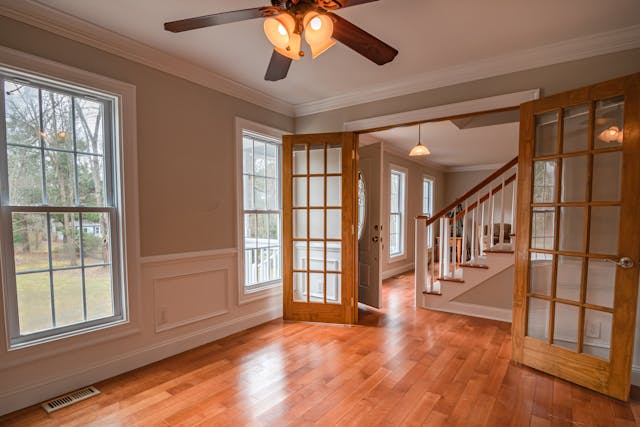
A professionally cleaned, well-maintained, and welcoming space attracts responsible tenants and justifies a higher rental rate.
Market Your Rental Effectively
Once your home is rental-ready, highlight its strongest features, lanai views, split AC units, parking, proximity to surf spots or hikes, pet-friendliness, or solar power.
Post listings on popular platforms or Hawaii-specific social media housing groups. Clear, high-resolution photos and detailed, honest descriptions go a long way.
Set a Competitive and Compliant Rent Price
Research comparable rentals in your neighborhood. Pricing too high can leave your property vacant; too low, and you sacrifice income.
Factors to consider:
- Square footage and number of bedrooms/bathrooms
- In-unit laundry, parking, or pet policies
- Location relative to major roads or landmarks (H1 access, near beaches, etc.)
A property management company can help you set the right price by analyzing local demand and trends with actual rental data.
Screen Tenants Thoroughly
Hawaii enforces strict fair housing laws, and you cannot discriminate based on race, religion, familial status, sexual orientation, gender identity, or disability.
You can screen applicants by:
- Verifying income (typically 2.5x to 3x monthly rent)
- Running credit and background checks
- Contacting previous landlords for references
- Confirming employment
Collect a written rental application, and always use a detailed lease agreement that outlines rent due dates, late fees, pet rules, maintenance expectations, and utility responsibilities.
Understand Lease Terms and Deposit Laws in Hawaii
In addition to the one-month cap on deposits, Hawaii requires landlords to:
- Return the deposit within 14 days of move-out
- Provide itemized list of deductions
- Deduct only for unpaid rent, utilities, and late fees, damage beyond normal wear and tear or early termination, or cleaning fees
If you violate these rules, you could owe the tenant up to three times the deposit, plus attorney fees.
Consider Hiring a Property Management Company
Being a landlord in Honolulu means handling tenant communications, emergency repairs (which can be hard to source locally), legal compliance, accounting, and marketing.
A property management company can simplify this by:
- Handling listings and tenant screening
- Coordinating maintenance and repairs with local vendors
- Collecting rent and managing accounting
- Ensuring compliance with Hawaii and City & County of Honolulu regulations
Management fees typically range from 8% to 12% of monthly rent, but in exchange, you gain peace of mind and a local team who knows how to navigate island-specific issues like HOA rules, humidity-related repairs, and seasonal market shifts.
Stay Updated on Hawaii Laws
Regulations in Hawaii can change quickly, especially in response to emergencies. Constantly monitor updates through:
- The Hawaii Landlord-Tenant Handbook from the Department of Commerce and Consumer Affairs (DCCA)
- The Honolulu City & County website
Being proactive helps you avoid disputes, stay compliant, and protect your investment.
Bottom Line
Renting out your Honolulu home can be a financially rewarding move, if you understand the legal landscape and commit to running your property professionally.
From preparing your home and pricing it right to mastering Hawaii’s unique landlord-tenant laws, there’s a lot to manage. And while doing it all yourself is possible, it can quickly become overwhelming, especially if you live off-island or have a full-time job.
Hiring a qualified property management company in Honolulu isn’t just a convenience, it’s a smart investment. If you’re looking for a trusted property manager, contact Hawaii Coastal Property Management today!